AI Isn't Taking Your Job, It's Taking Your *Old* Job: How to Thrive in the Age of Intelligent Co-Pilots
2026-06-13

AI Isn't Taking Your Job, It's Taking Your Old Job: How to Thrive in the Age of Intelligent Co-Pilots
Walk into any water cooler conversation, scroll through your feed, or even just eavesdrop on a coffee shop chat, and chances are you'll hear it: AI. The buzz is deafening, a mix of awe, excitement, and a hefty dose of existential dread. Are the robots coming for our jobs? Will creative industries become obsolete? Is my career path a dead end if I don't "get" AI?
It's a valid swirl of emotions. The pace of AI development is breathtaking, and headlines often paint a stark picture of automation replacing human effort across the board. From content creation to data analysis, customer service to coding, AI tools are demonstrating capabilities that, just a few years ago, felt like pure science fiction. It’s easy to feel overwhelmed, to see AI as a colossal threat hovering over your professional future.
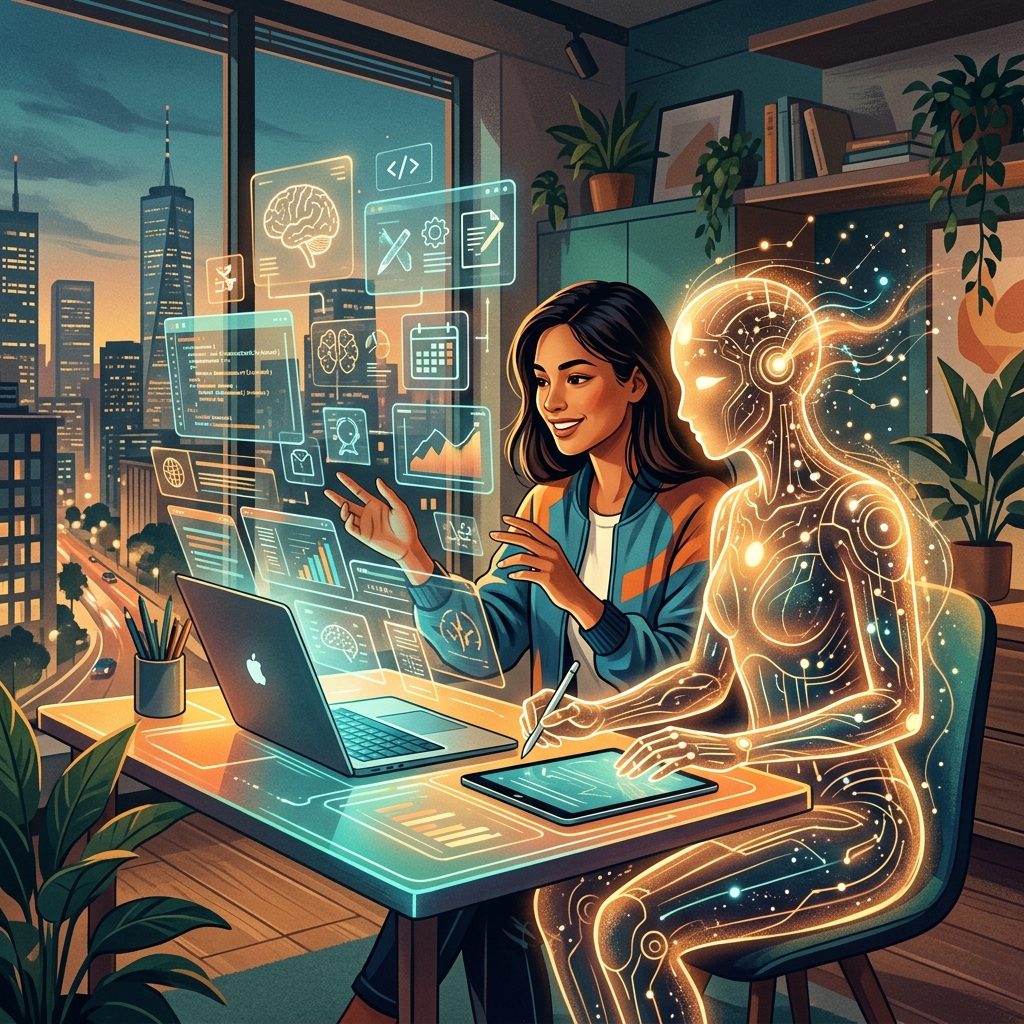
But let's hit pause on the panic button for a moment. While AI's capabilities are indeed revolutionary, a more nuanced understanding reveals a different story – one of augmentation, not outright replacement. Think of AI less as a challenger in the ring and more as a incredibly powerful, albeit specialized, co-pilot. It excels at pattern recognition, rapid data processing, generating drafts, and optimizing existing processes. It can write code, analyze market trends, or even suggest creative ideas based on vast datasets. It's an efficiency multiplier, a tireless assistant that can free up countless hours.
Here’s the critical shift: AI isn't necessarily taking your job; it's making your old way of doing your job less efficient, less competitive. The roles most vulnerable are those that are highly repetitive, predictable, and require minimal human judgment or complex emotional intelligence. The smart move isn't to fear AI, but to learn how to wield it. Mastering the art of prompting, understanding its limitations, and integrating AI tools into your workflow will be the defining skill of the next decade. Use it to automate the mundane, allowing you to focus on the strategic, the creative, and the uniquely human aspects of your role.
Because despite its incredible advancements, AI still fundamentally lacks the human touch. It doesn't possess true intuition, empathy, the ability to build genuine relationships, or the nuanced understanding required for complex ethical dilemmas. It can't truly innovate from a place of lived experience, nor can it provide the deep strategic vision that comes from understanding human behavior and societal shifts. These are the domains where human expertise will not only remain invaluable but will become even more prized.
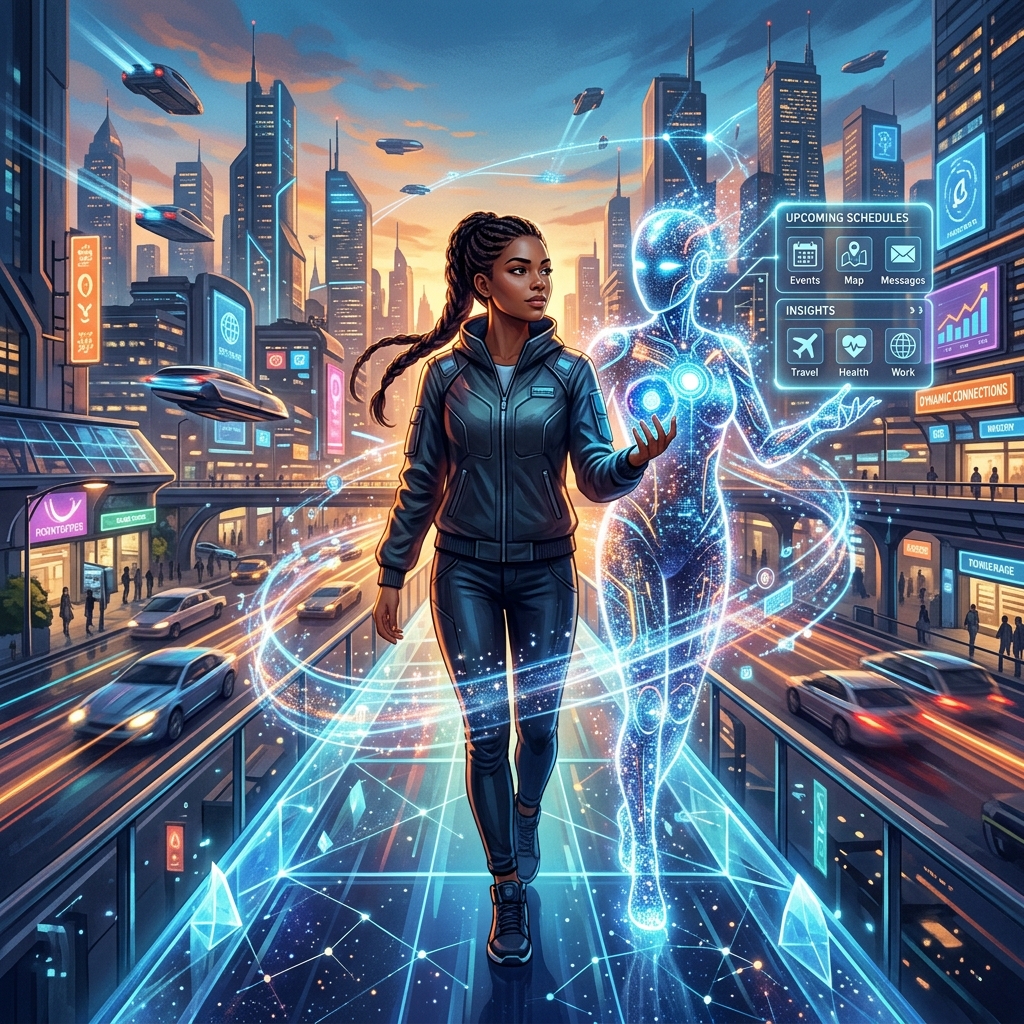
So, instead of viewing AI as an adversary, consider it an accelerant for your career. Those who learn to collaborate effectively with AI, leveraging its strengths while doubling down on their unique human capabilities, will be the ones who don't just survive, but truly thrive in this evolving landscape. The future isn't about humans vs. AI; it's about humans with AI, reaching new heights of productivity and creativity. Embrace this evolution wholeheartedly; your professional journey will undoubtedly be richer for it.